



The activities of the Experimental Physics Division (EPD) of the A. I. Alikhanyan National Science Laboratory (Yerevan Physics Institute) began in 1967, when the 6 GeV Yerevan electron synchrotron was commissioned. Until the cessation of the synchrotron’s operation in 2005, the staff of the EPD carried out large-scale experiments, including measurements of the electromagnetic radii of protons and neutrons, studies of the hadronic properties of photons in pion photoproduction reactions on nuclei, investigations of nucleon resonance structure using polarized photons and targets, studies of nuclear photofragmentation mechanisms, as well as research on X-ray transition radiation and channeling radiation of relativistic electrons in monocrystals, among others.
The physicists of the EPD have obtained a number of important results that have significantly advanced the understanding of the fundamental properties of elementary particles and atomic nuclei. The reputation of AANL as a nuclear physics and accelerator research center has enabled the preservation and development of international collaborations with scientific institutions in the United States, Germany, Switzerland, and other countries, as well as full participation in international experimental research programs. In collaboration with Brno University (Czech Republic), nuclear reactions induced by secondary neutron beams are being studied. Specially produced low-intensity electron beams (10–20 e⁻/s) with energies of 10–75 MeV are used for the calibration of particle detectors.
Using the external proton beams of the C18/18 cyclotron commissioned at AANL, studies are planned on the cluster structure of light nuclei, including the alpha-cluster structure of the ¹²C nucleus. The aim is to generate secondary neutron beams and measure the cross-sections of reactions induced by them. The scientific activity of the division also includes research in low-energy nuclear physics, carried out using the upgraded LUE-75 linear electron accelerator, which provides a stable electron beam with energies up to 75 MeV and currents up to 1 μA. In this energy range, systematic studies of photonuclear reactions are conducted jointly by the EPD and physicists of Yerevan State University. In addition to fundamental research, work is also being carried out on the production of radioisotopes required for radiation diagnostics and therapy. For this purpose, the feasibility of producing thermal and subthermal neutron beams is being investigated for applications in boron (¹⁰B)-based neutron capture radiation therapy.
The division’s activities also include the study of rare nuclear processes in the underground laboratory of the Avan salt mine, as well as the development and fabrication of detectors for physical experiments, including plastic and crystal scintillators, neutron detectors, silicon microstrip detectors, radiofrequency photomultipliers, and low-pressure multiwire proportional chambers, among others. Methods for the development of chitin/chitosan-based systems and their novel modifications are also being advanced.

Matinyan Center for Theoretical Physics
Theoretical physics has been and remains one of the most developed natural sciences in Armenia. During the Soviet years Division for Theoretical Physics of Yerevan Physics Institute was the center of theoretical physics in Armenia leaded by its founder long-time head, professor Sergey Matinyan.
Center for Cosmology and Astrophysics
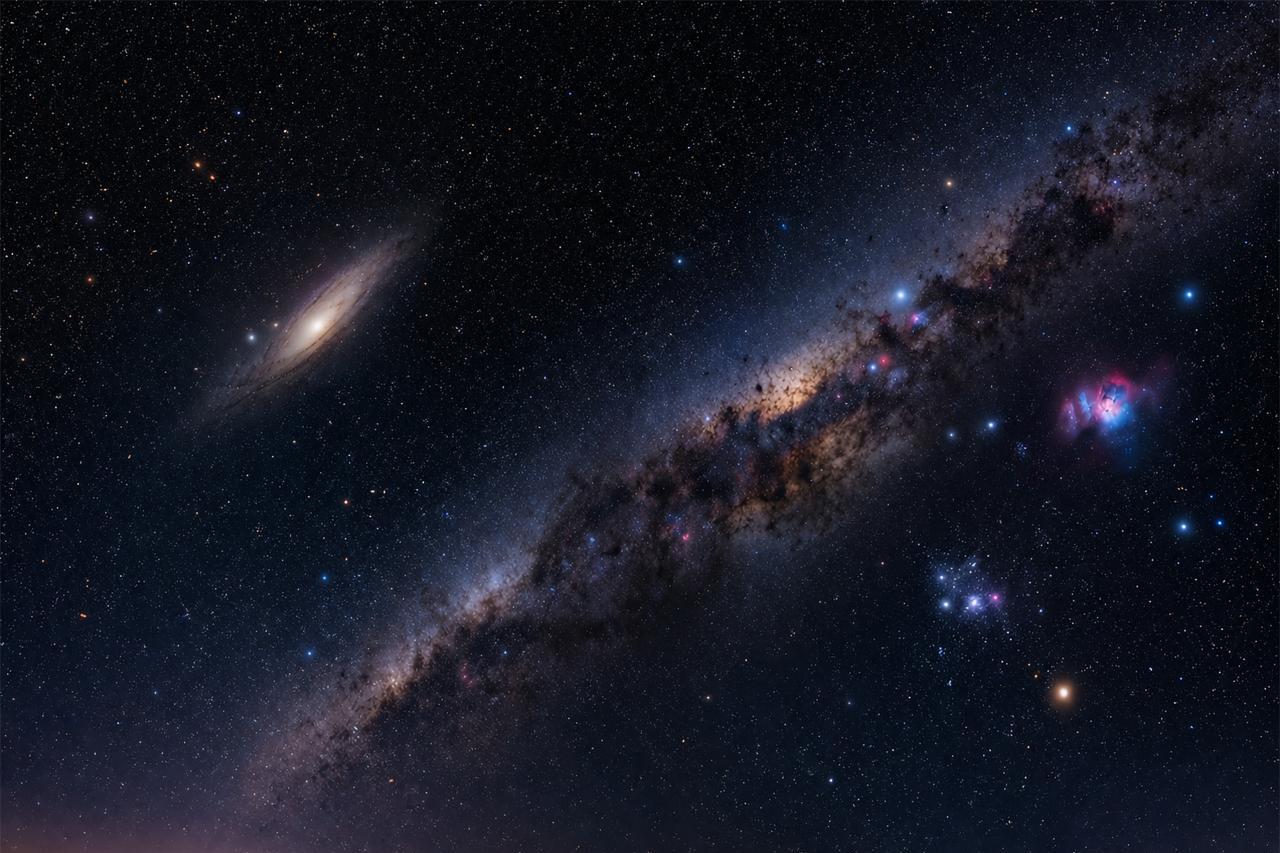
AANL Cosmology and Astrophysics Center conducts research dedicated to non-linear effects in cosmology, large-scale composition of the universe, chaotic dynamics of gravitational systems, study of the behavior of dynamic systems, data processing with machine learning algorithms.

Division for Quantum Technologies
The AANL Division for Quantum Technologies was established in 2022. The division members are engaged in theoretical calculations of quantum technologies. Their research findings are published in popular scientific journals.
Cosmic Ray Division
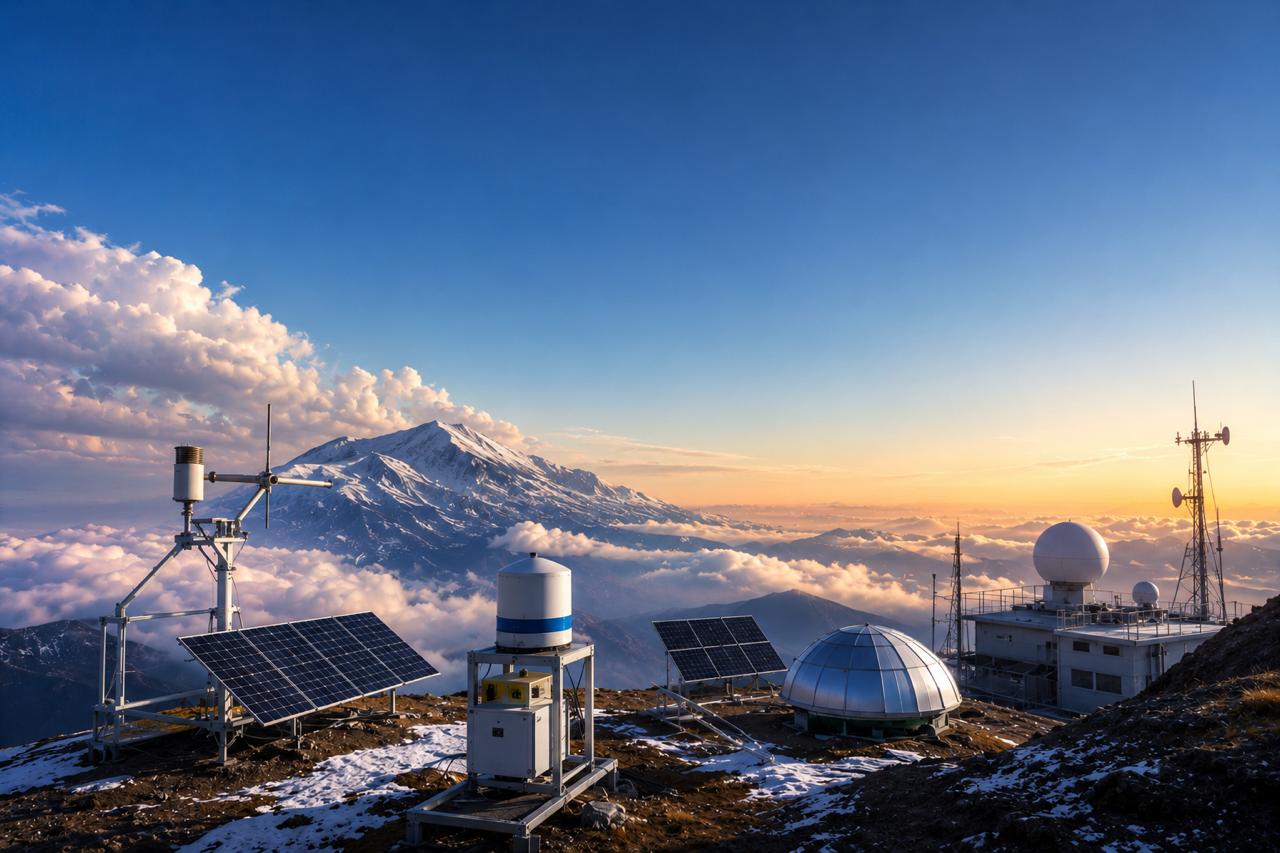
The Cosmic Ray Division (CRD), together with its unique high-mountain scientific stations, collaborates with many international organizations, and is the founder of the European SEVAN (Space Environment Viewing and Analysis Network) detector network.

Computational Physics and IT Division
Computational Physics and Information Technologies Division functions in two main directions: computational physics and data analysis (as scientific activity), development and maintenance of computing and network resources (as software and technical activity).
Applied Physics Research Division
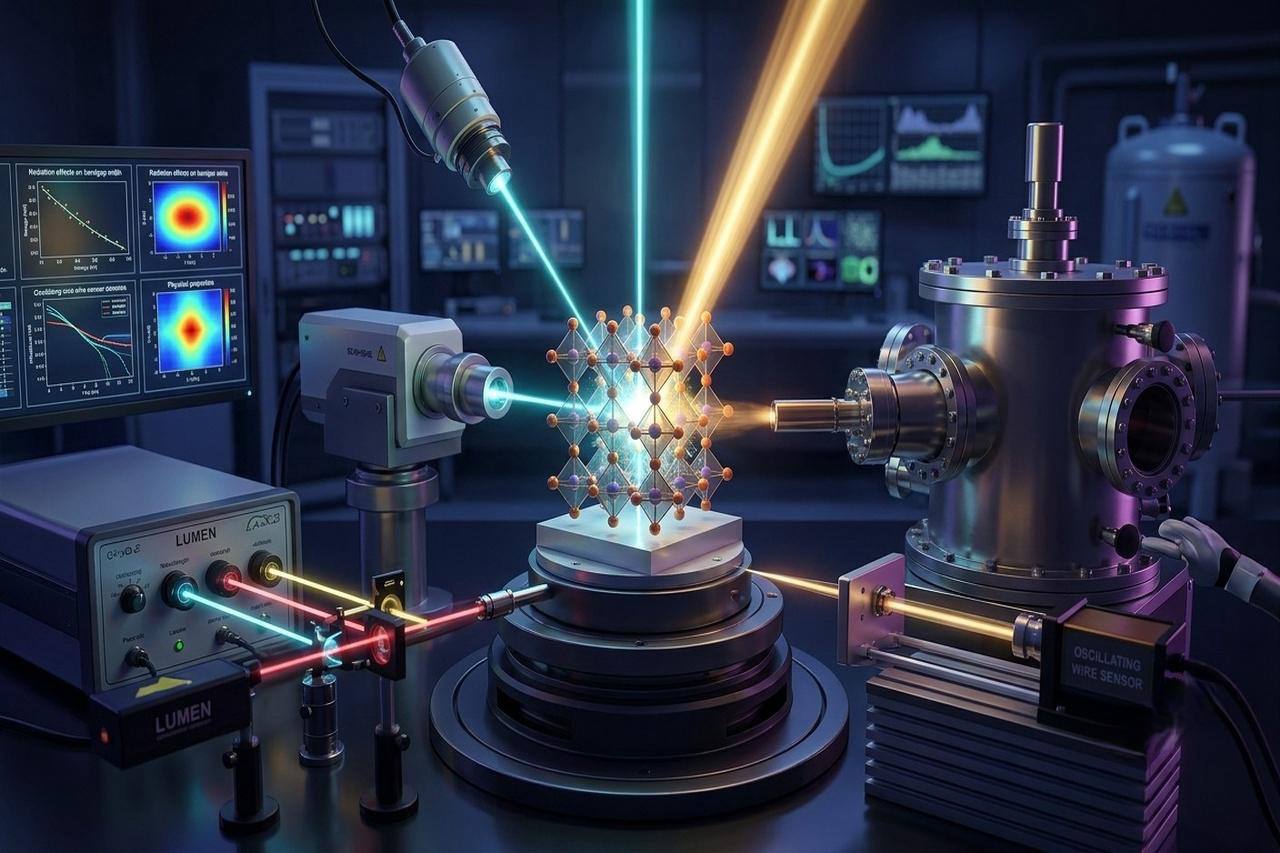
The Applied Physics Research Division conducts research in the field of materials science. One of the target directions of the Division is the study of the impact of radiation (electron, proton beams) on physical, optical and biological properties of matter.
Isotopes Research and Production Division
The Isotopes Research and Production Department was established in 2010. The department is engaged with creation and development of technologies to produce radioactive isotopes for medical purposes and with handling of production process itself.


 2 Alikhanyan Brothers Street, Yerevan