



Cosmic ray research in Armenia began in 1943 through the initiative of Artem and Abraham Alikhanyan. Since then, these studies have continued at the AANL high-altitude research stations “Nor Amberd” and “Aragats” (located at altitudes of 2000 m and 3200 m above sea level), as well as in Yerevan. The Cosmic Ray Division (CRD) was formally established as a structural unit of AANL, combining long-standing scientific expertise with modern research methods.
The CRD investigates various aspects of cosmic ray physics, including particle acceleration phenomena in the Earth’s atmosphere during thunderstorms. The Division has established international networks of particle detectors for the study of space weather and Sun–Earth interactions.
Instrumentation located at the Aragats Space Environmental Center records secondary fluxes of neutral and charged particles, providing continuous 24/7 monitoring data. The scientific database of the CRD contains comprehensive measurements of secondary particle fluxes, which are combined with data from other international stations.
At the initiative of the Division, the SEVAN (Space Environment Viewing and Analysis Network) system was developed—a global network of particle detectors aimed at studying space weather conditions and forecasting hazardous space storms. The first four SEVAN detectors were installed in Armenia, in Yerevan and on the slopes of Mount Aragats (at altitudes ranging from 1000 to 3200 m). Today, the network also operates in Croatia, Bulgaria, Germany, the Czech Republic, Slovakia, and India.
Since 2009, the Aragats station has been registering annually more than 100 enhancements in electron, gamma-ray, and neutron fluxes associated with thunderstorm activity, known in the scientific literature as Thunderstorm Ground Enhancements (TGEs).
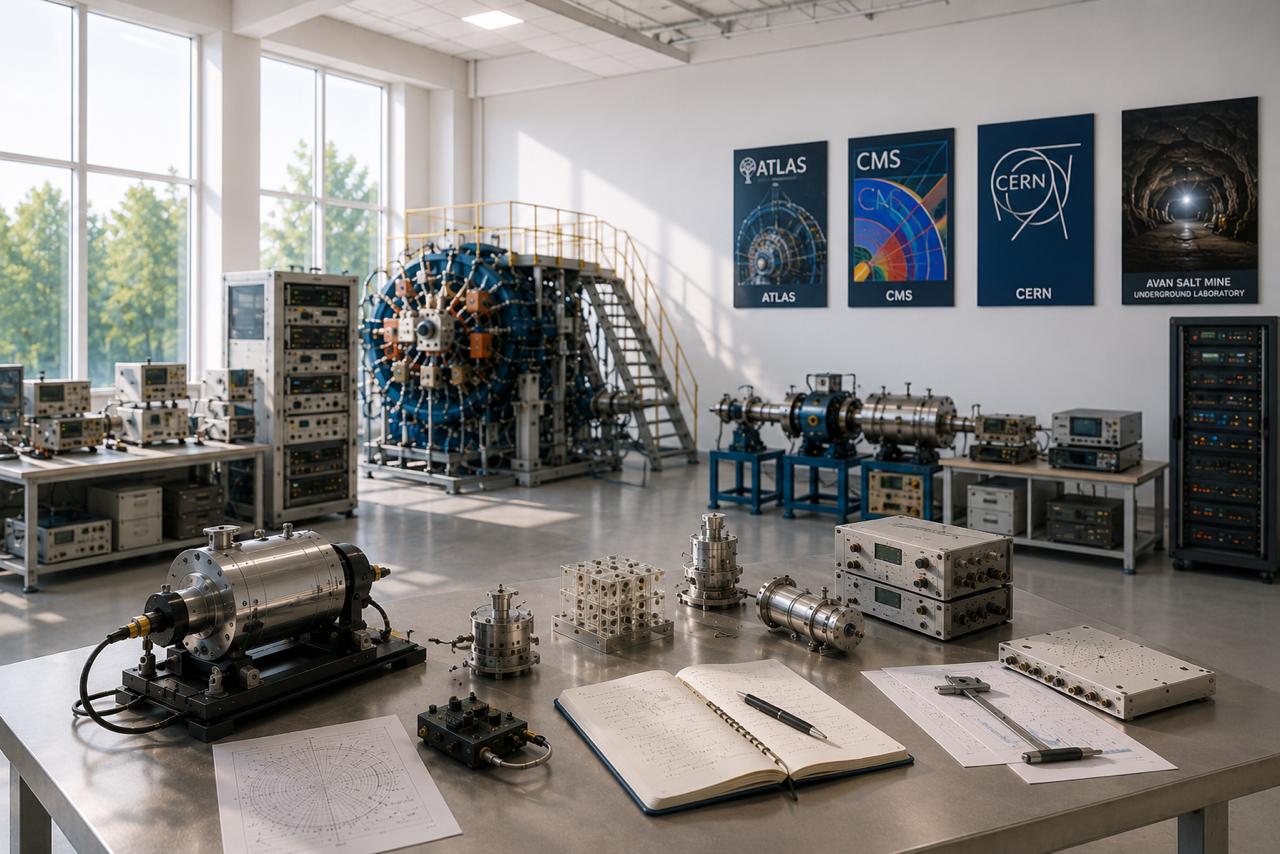
Experimental Physics Division
AANL Experimental Physics Division (EPD) has a long lasting tradition of research in the field of high energy experimental physics in a wide range of topics since the operation of Yerevan electron synchrotron (ARUS) with energy of up to 6 GeV in 1967

Matinyan Center for Theoretical Physics
Theoretical physics has been and remains one of the most developed natural sciences in Armenia. During the Soviet years Division for Theoretical Physics of Yerevan Physics Institute was the center of theoretical physics in Armenia leaded by its founder long-time head, professor Sergey Matinyan.
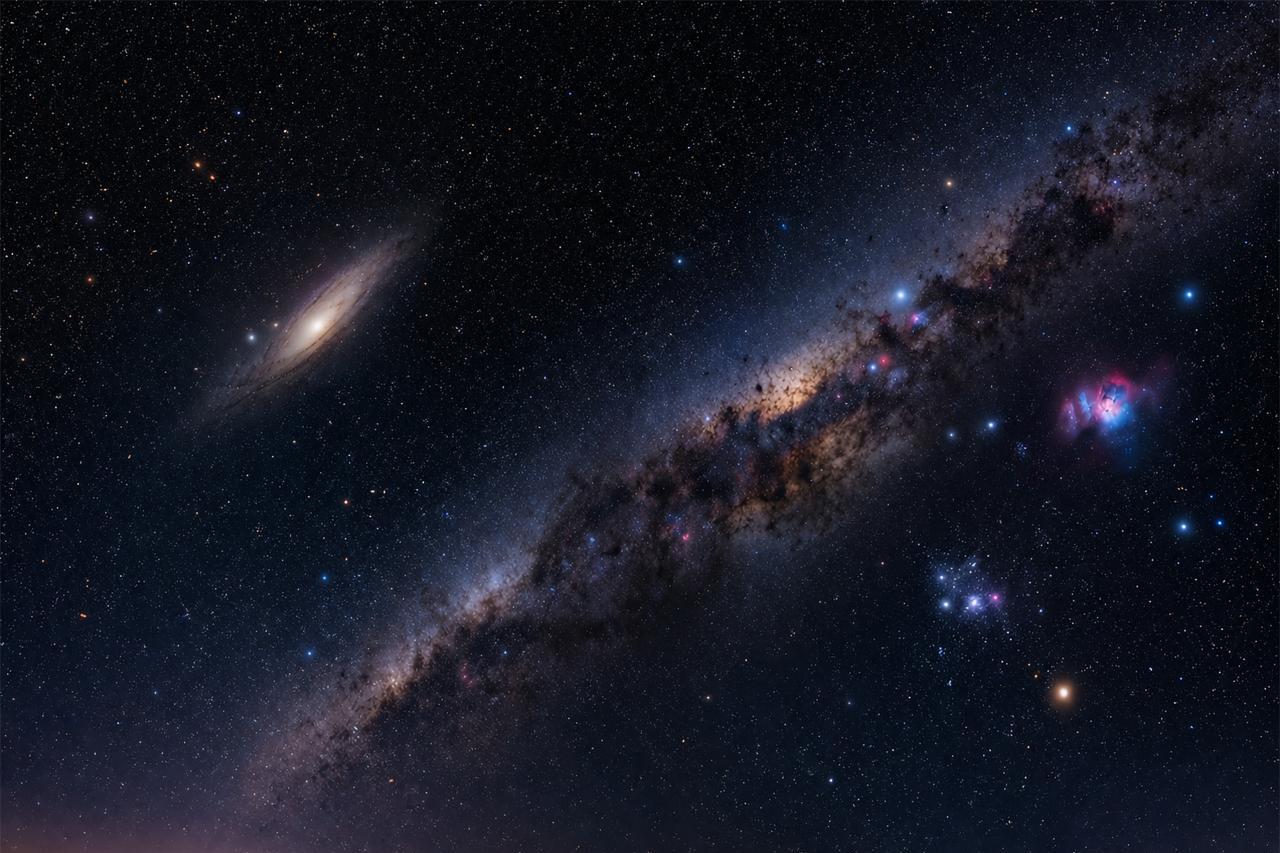
Center for Cosmology and Astrophysics
AANL Cosmology and Astrophysics Center conducts research dedicated to non-linear effects in cosmology, large-scale composition of the universe, chaotic dynamics of gravitational systems, study of the behavior of dynamic systems, data processing with machine learning algorithms.

Division for Quantum Technologies
The AANL Division for Quantum Technologies was established in 2022. The division members are engaged in theoretical calculations of quantum technologies. Their research findings are published in popular scientific journals.

Computational Physics and IT Division
Computational Physics and Information Technologies Division functions in two main directions: computational physics and data analysis (as scientific activity), development and maintenance of computing and network resources (as software and technical activity).
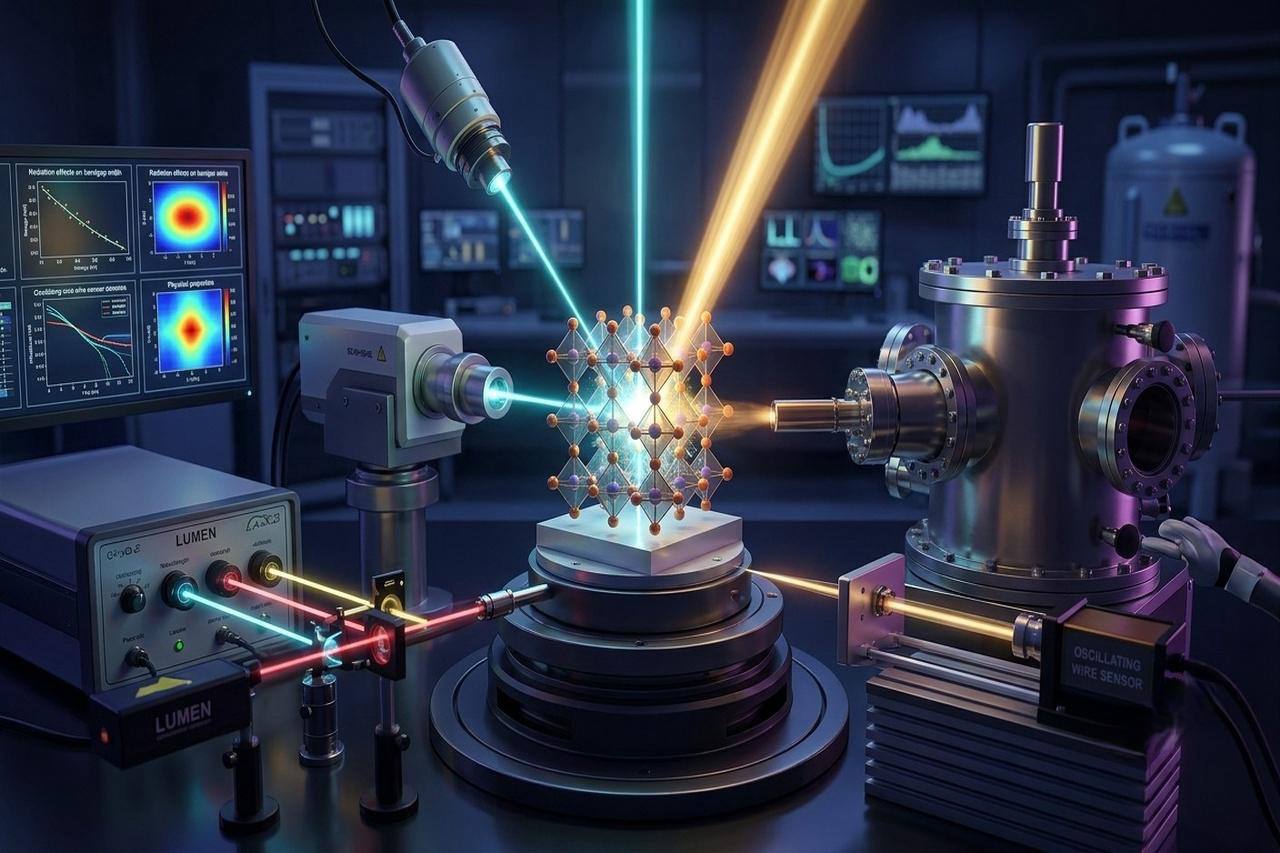
Applied Physics Research Division
The Applied Physics Research Division conducts research in the field of materials science. One of the target directions of the Division is the study of the impact of radiation (electron, proton beams) on physical, optical and biological properties of matter.
Isotopes Research and Production Division
The Isotopes Research and Production Department was established in 2010. The department is engaged with creation and development of technologies to produce radioactive isotopes for medical purposes and with handling of production process itself.

 2 Alikhanyan Brothers Street, Yerevan