



The Quantum Technologies Division of the A. I. Alikhanyan National Science Laboratory (Yerevan Physics Institute) was established in 2022. The staff of the division is engaged in theoretical studies of quantum technologies, and the results of their research are published in leading scientific journals.
The Division has developed a new model of a quantum computer (which exploits only quantum superposition among quantum properties), studied the quantum and classical one-dimensional Ising model along with its phases and phase transitions, and investigated the SSH topological lattice model in the presence of a PT-symmetric potential. It has also participated in the experimental study of hybrid quantum systems, including superconducting circuits coupled with laser-excited atoms.
Further research includes the optimal transfer of radiation between microwave and optical domains (relevant for implementing a quantum internet based on quantum computers), analysis of magnetic field effects on classical equilibrium charge systems and their thermostats, exploration of optimal alphabets for text summarization, investigation of relationships between stored and dissipated energies in physical systems, and the introduction and study of the concept of thermodynamic selection.
In addition, the Division has developed an efficient, non-directed method for keyword filtering in texts, and in quantum optics has described the general mechanism of noise generation while proposing methods for its mitigation.
Experimental Physics Division
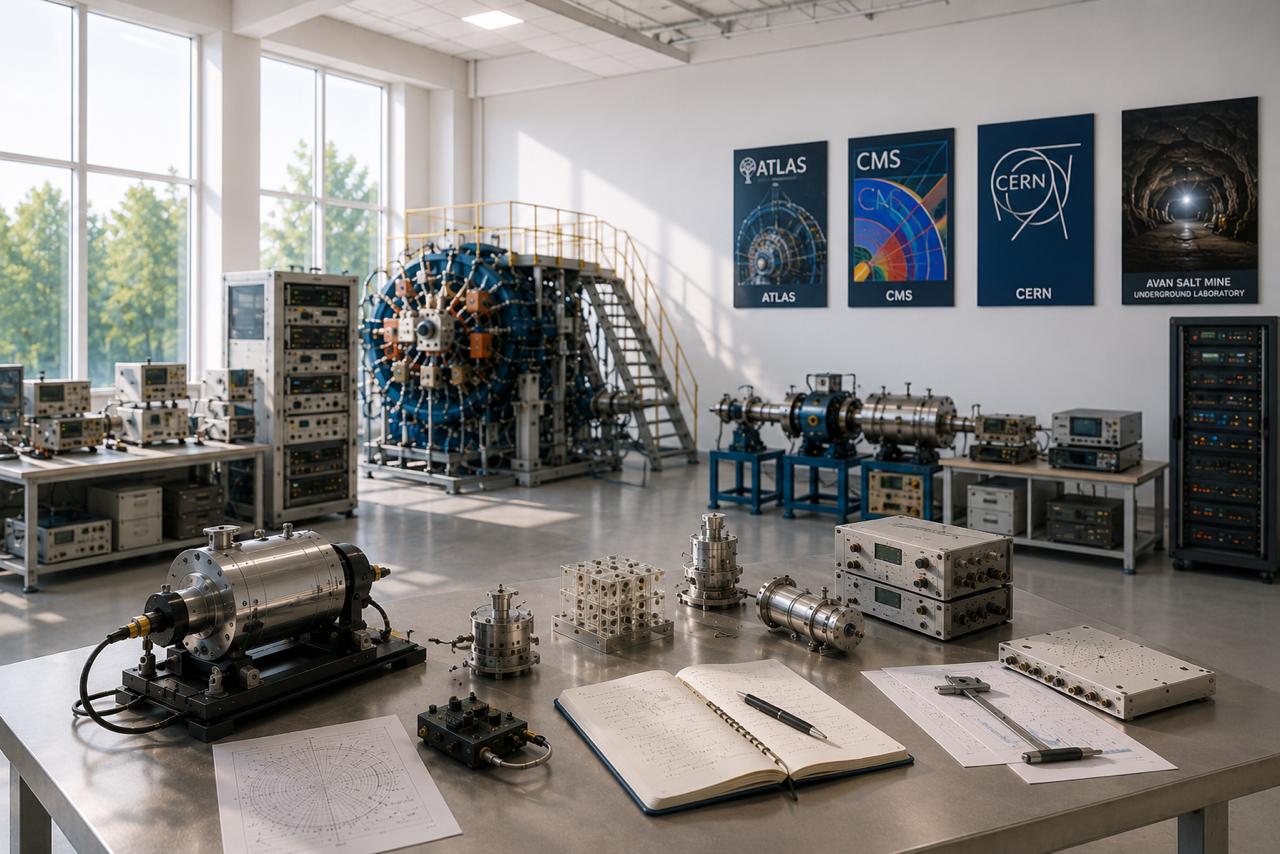
AANL Experimental Physics Division (EPD) has a long lasting tradition of research in the field of high energy experimental physics in a wide range of topics since the operation of Yerevan electron synchrotron (ARUS) with energy of up to 6 GeV in 1967

Matinyan Center for Theoretical Physics
Theoretical physics has been and remains one of the most developed natural sciences in Armenia. During the Soviet years Division for Theoretical Physics of Yerevan Physics Institute was the center of theoretical physics in Armenia leaded by its founder long-time head, professor Sergey Matinyan.
Center for Cosmology and Astrophysics
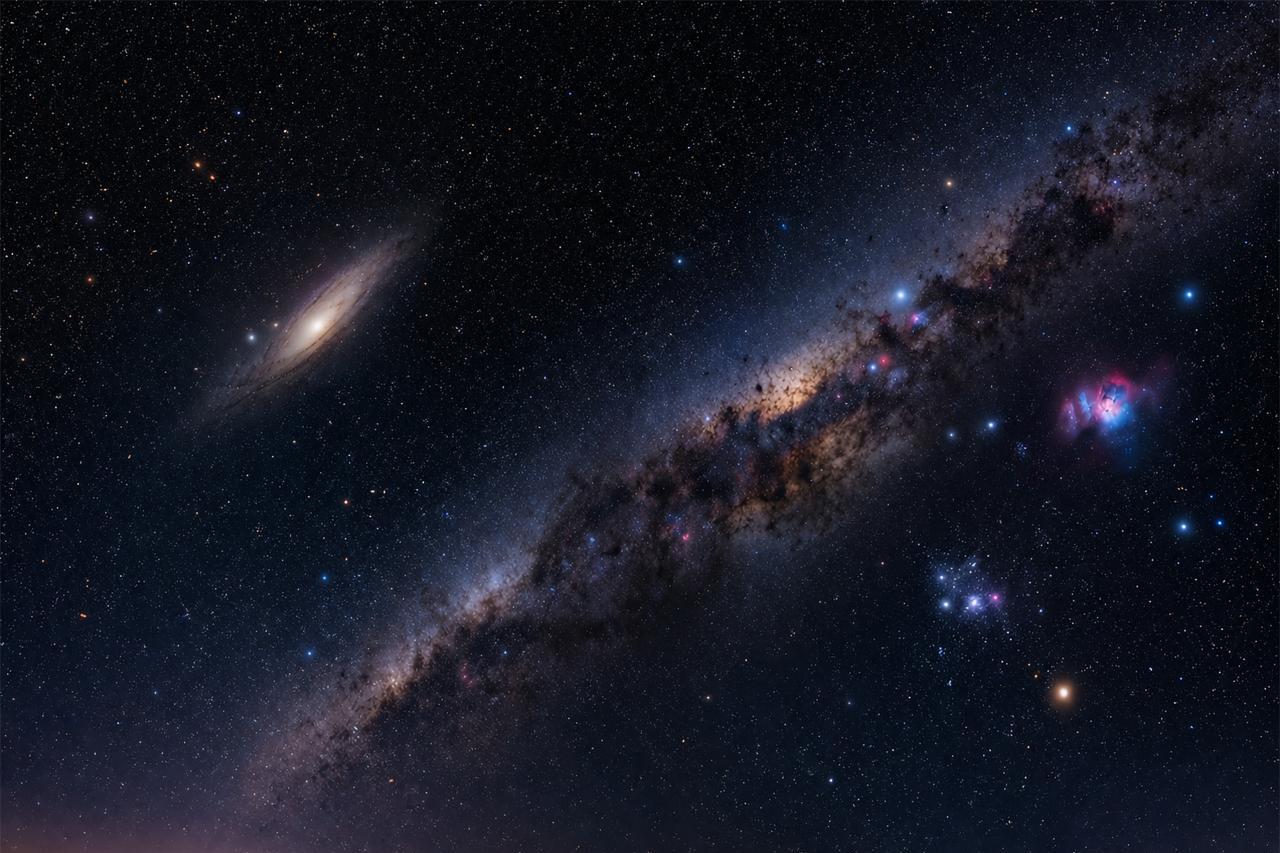
AANL Cosmology and Astrophysics Center conducts research dedicated to non-linear effects in cosmology, large-scale composition of the universe, chaotic dynamics of gravitational systems, study of the behavior of dynamic systems, data processing with machine learning algorithms.
Cosmic Ray Division
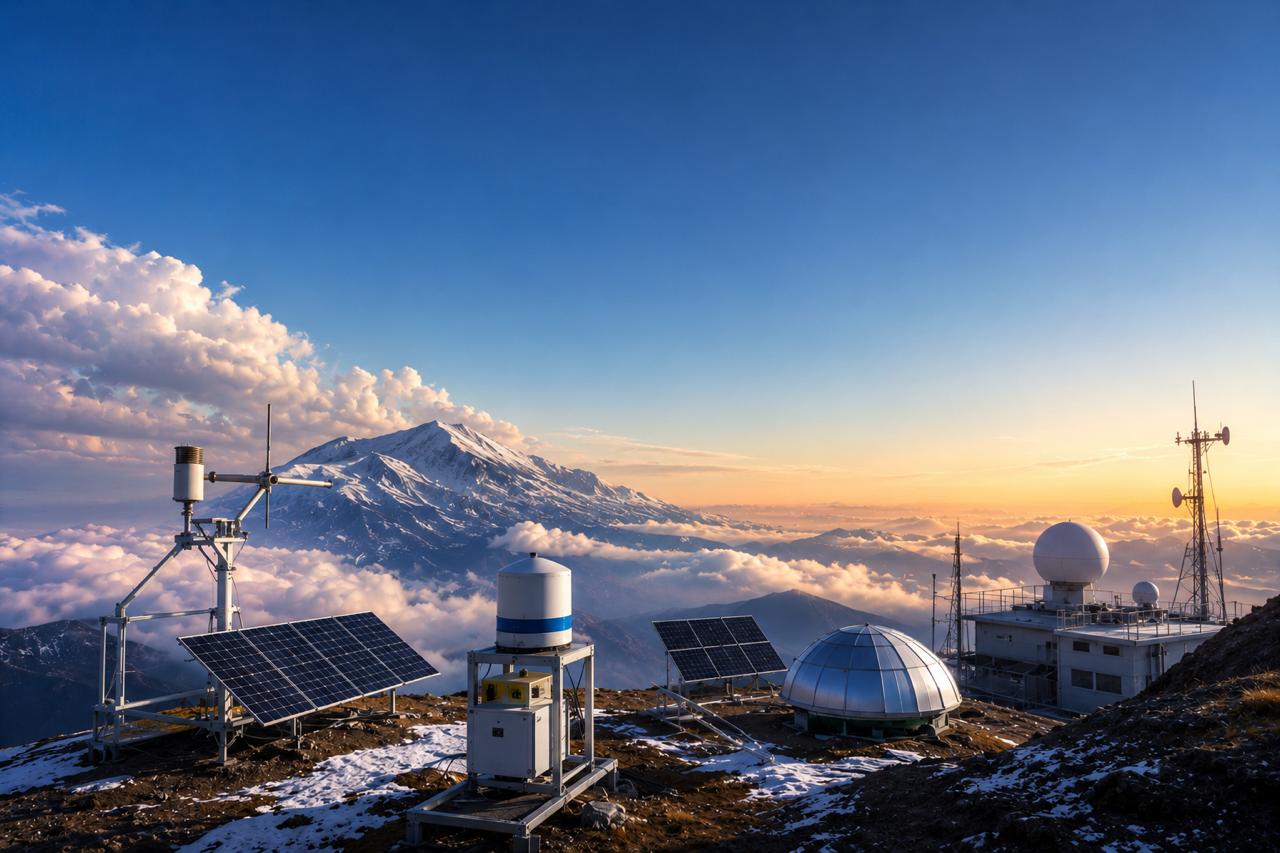
The Cosmic Ray Division (CRD), together with its unique high-mountain scientific stations, collaborates with many international organizations, and is the founder of the European SEVAN (Space Environment Viewing and Analysis Network) detector network.

Computational Physics and IT Division
Computational Physics and Information Technologies Division functions in two main directions: computational physics and data analysis (as scientific activity), development and maintenance of computing and network resources (as software and technical activity).
Applied Physics Research Division
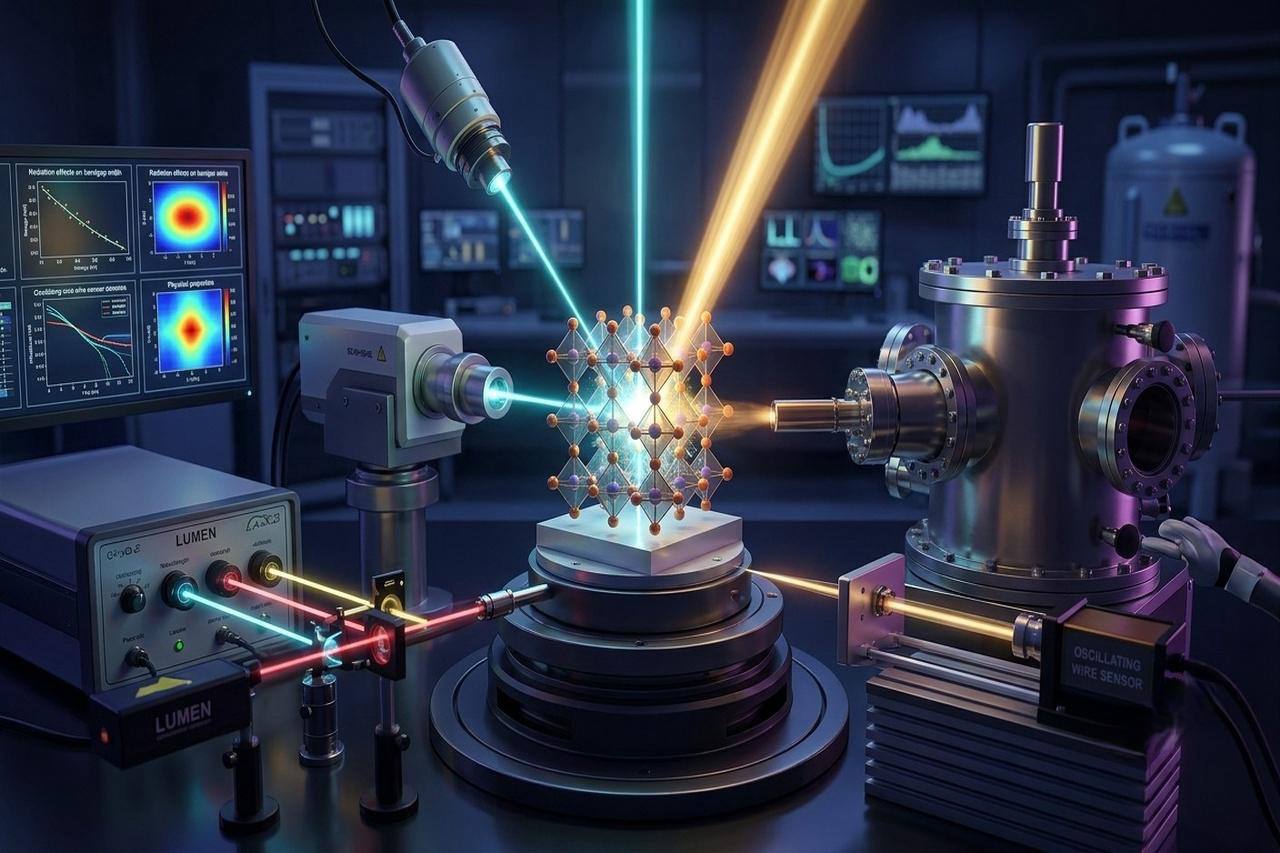
The Applied Physics Research Division conducts research in the field of materials science. One of the target directions of the Division is the study of the impact of radiation (electron, proton beams) on physical, optical and biological properties of matter.
Isotopes Research and Production Division
The Isotopes Research and Production Department was established in 2010. The department is engaged with creation and development of technologies to produce radioactive isotopes for medical purposes and with handling of production process itself.

 2 Alikhanyan Brothers Street, Yerevan