



The activities of the Computational Physics and Information Technologies Division are carried out in two main directions: computational physics and data analysis (scientific activity), and the development and maintenance of the computing and network resources of AANL (software and technical operations).
The history of the Division dates back to 1994, when the first internet connection in Armenia was established at AANL (Yerevan Physics Institute) in collaboration with DESY (Hamburg). Today, the Division provides the full range of network services at AANL, including email systems, web hosting, secure data transmission (VPN, SSH, SSL), Eduroam access, and server infrastructure maintenance.
In its scientific activity, the Division carries out several key projects:
Since 2018, the AANL Belle II group (KEK, Japan) has been officially part of the international Belle II Collaboration, working on leading topics in high-energy physics, including CP violation, rare decays, and searches for dark photons. Young researchers of the Division actively participate in data analysis, detector studies, and international conferences.
Experimental Physics Division
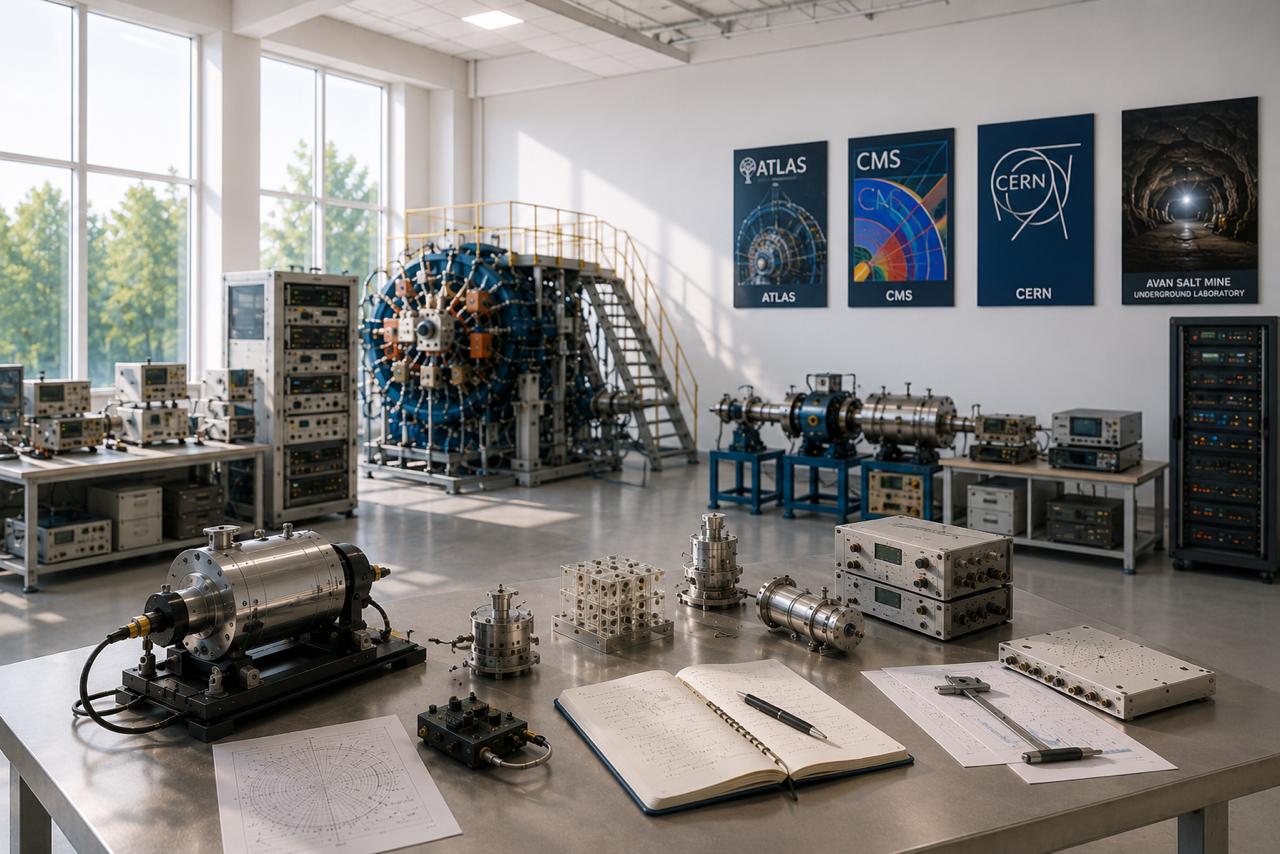
AANL Experimental Physics Division (EPD) has a long lasting tradition of research in the field of high energy experimental physics in a wide range of topics since the operation of Yerevan electron synchrotron (ARUS) with energy of up to 6 GeV in 1967

Matinyan Center for Theoretical Physics
Theoretical physics has been and remains one of the most developed natural sciences in Armenia. During the Soviet years Division for Theoretical Physics of Yerevan Physics Institute was the center of theoretical physics in Armenia leaded by its founder long-time head, professor Sergey Matinyan.
Center for Cosmology and Astrophysics
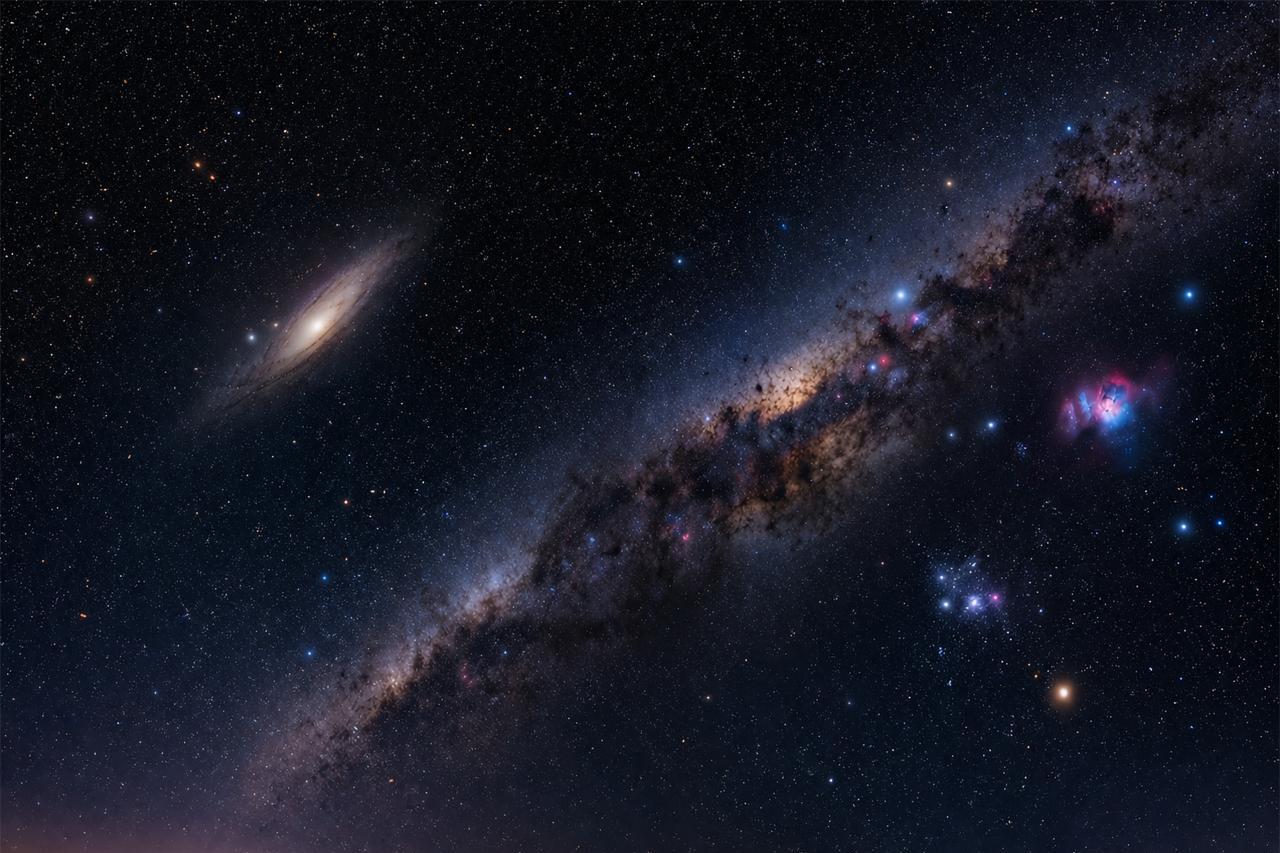
AANL Cosmology and Astrophysics Center conducts research dedicated to non-linear effects in cosmology, large-scale composition of the universe, chaotic dynamics of gravitational systems, study of the behavior of dynamic systems, data processing with machine learning algorithms.
Division for Quantum Technologies
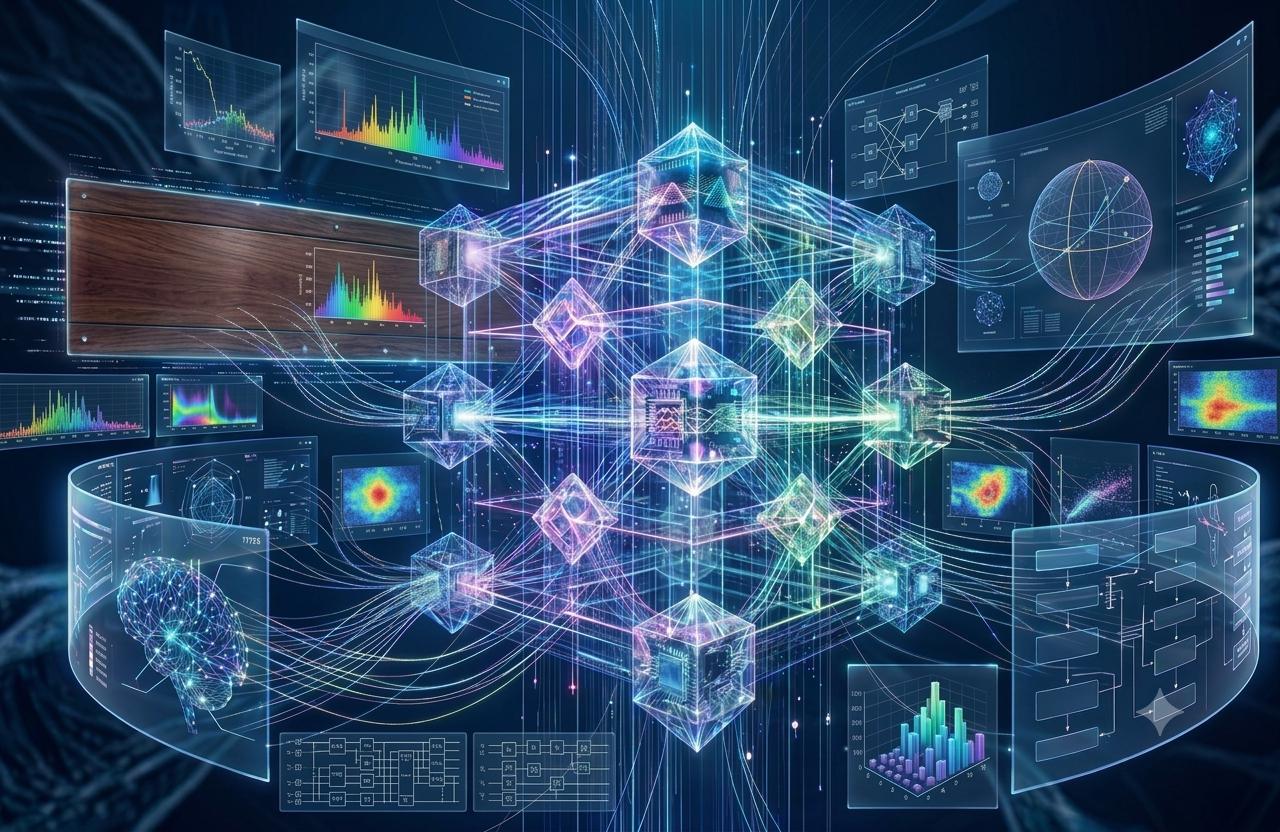
The AANL Division for Quantum Technologies was established in 2022. The division members are engaged in theoretical calculations of quantum technologies. Their research findings are published in popular scientific journals.
Cosmic Ray Division
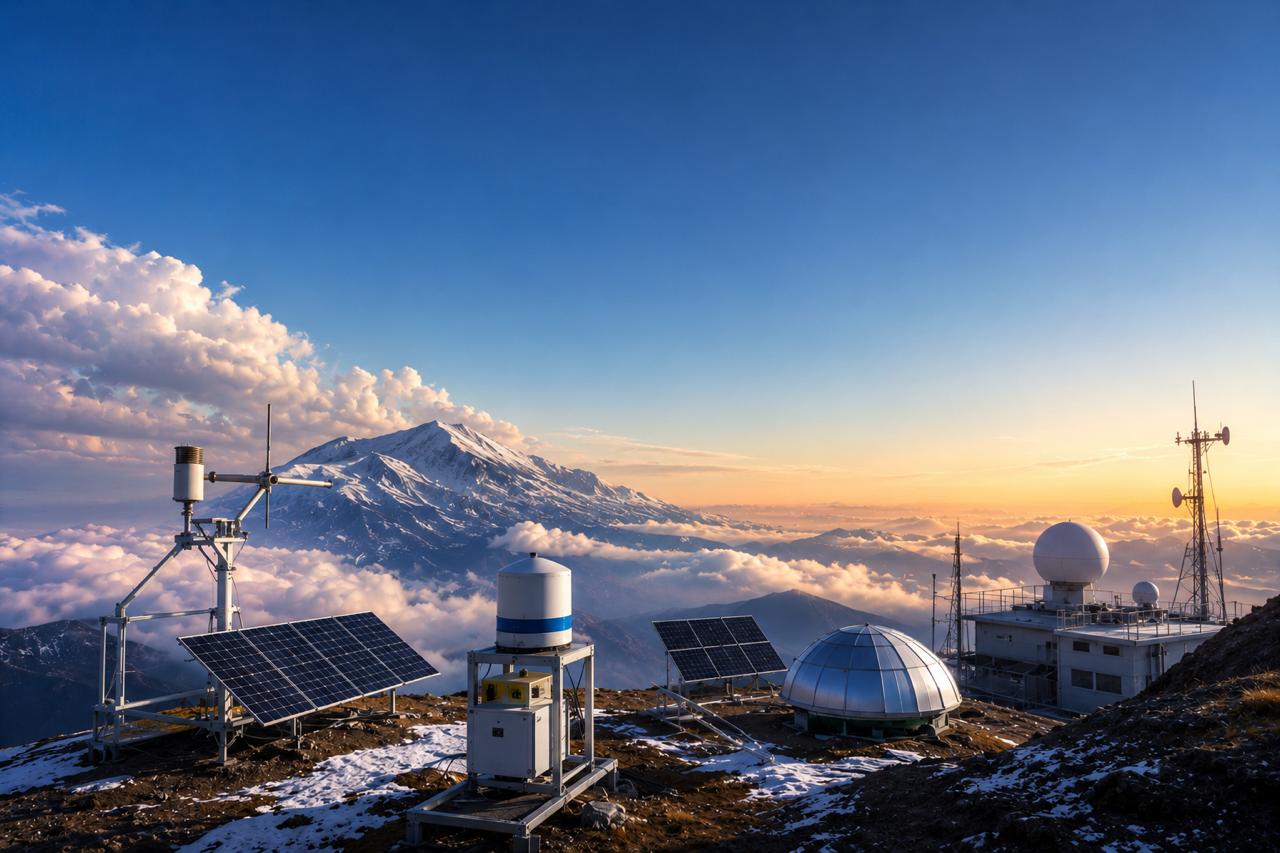
The Cosmic Ray Division (CRD), together with its unique high-mountain scientific stations, collaborates with many international organizations, and is the founder of the European SEVAN (Space Environment Viewing and Analysis Network) detector network.
Applied Physics Research Division
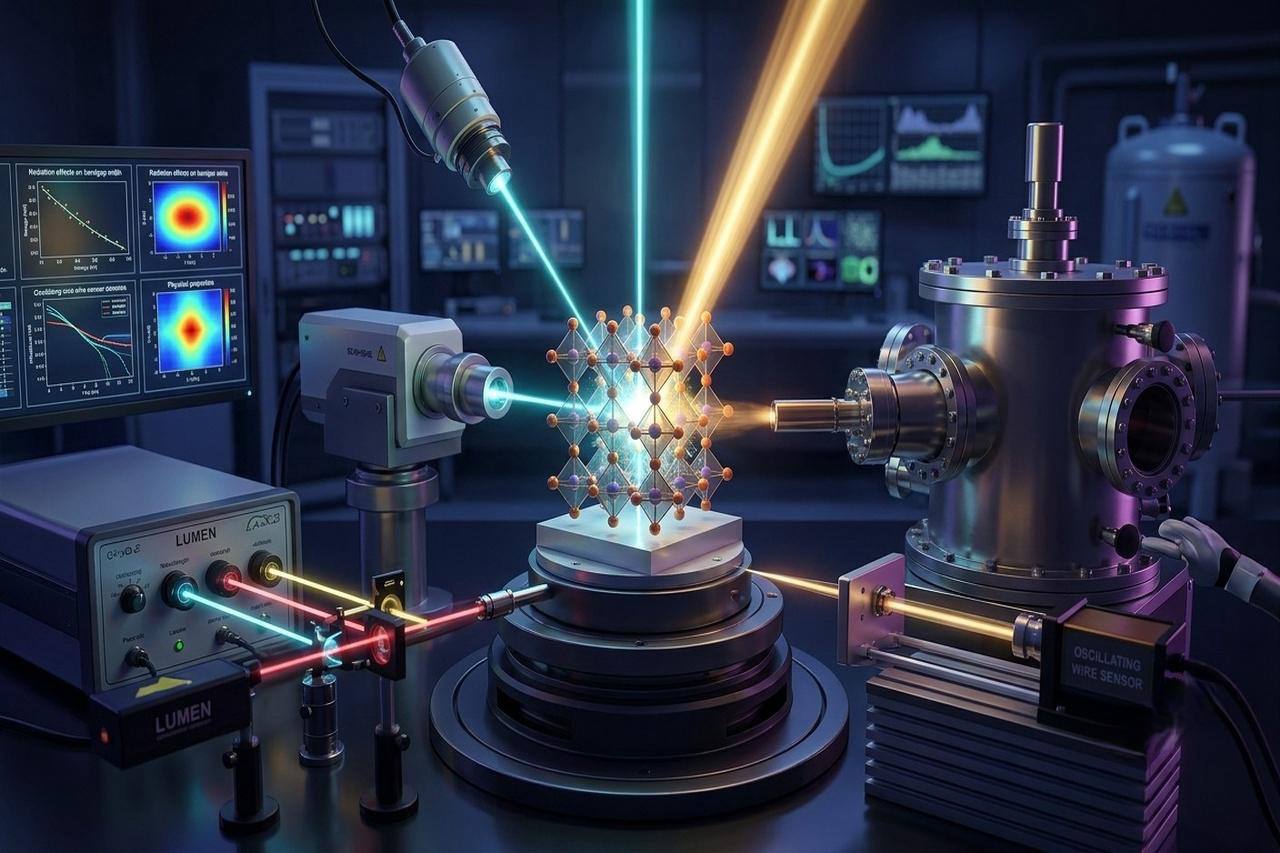
The Applied Physics Research Division conducts research in the field of materials science. One of the target directions of the Division is the study of the impact of radiation (electron, proton beams) on physical, optical and biological properties of matter.
Isotopes Research and Production Division
The Isotopes Research and Production Department was established in 2010. The department is engaged with creation and development of technologies to produce radioactive isotopes for medical purposes and with handling of production process itself.


 2 Alikhanyan Brothers Street, Yerevan